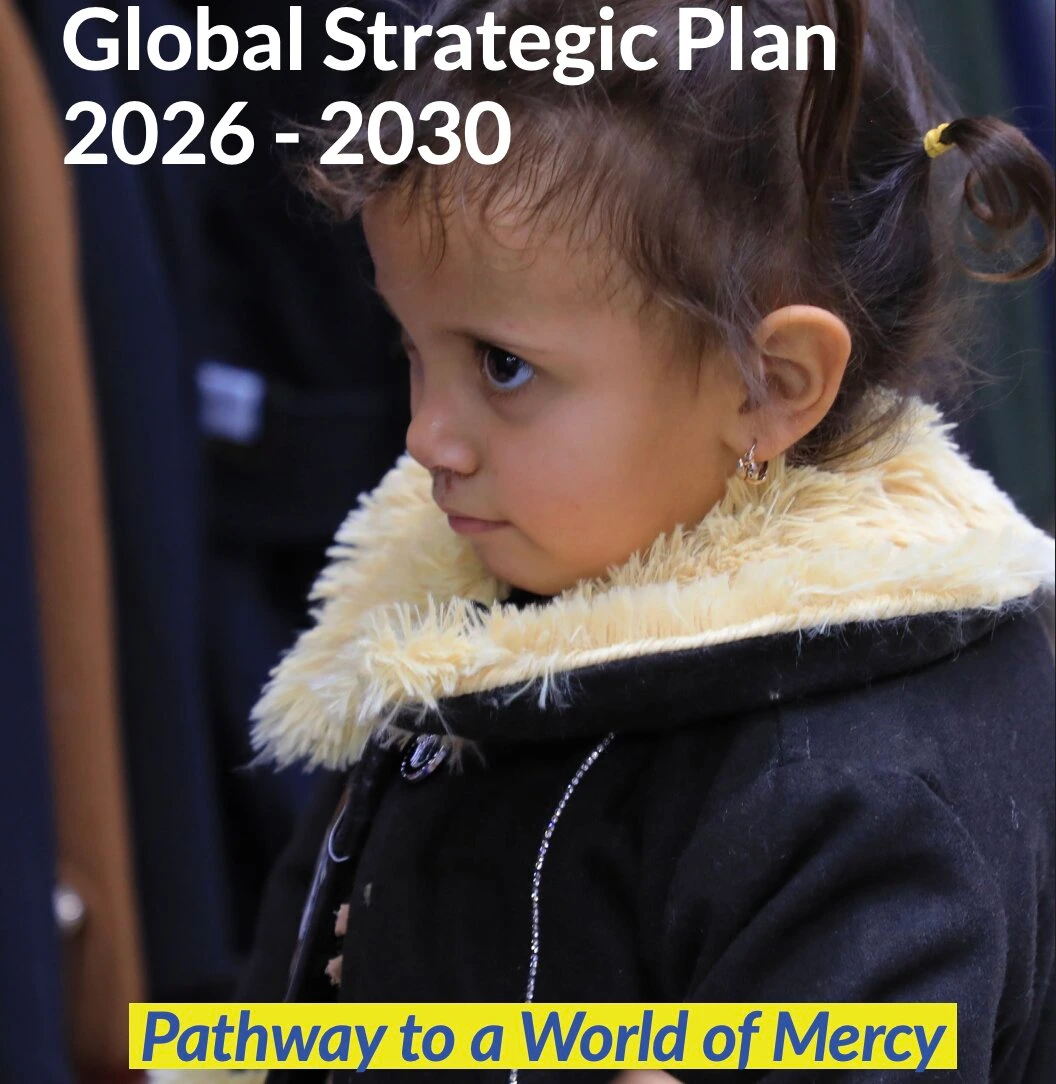
Our Vision for the world
Our Vision
A just world guided by mercy, where every person lives in dignity, free from poverty and injustice.
Until Mercy Reaches Everyone
Our Mission
Creating a just world guided by mercy, advancing human dignity and serving those in need through humanitarian relief and sustainable development.
Pathway to a World of Mercy 2026-2030
The world faces unprecedented challenges—conflict displaces millions, climate change threatens vulnerable communities, and inequality deepens divisions. We believe that's not good enough. Not when millions of people face barriers and are denied their basic human rights. We know that a better world is possible and we won't stop our work until mercy reaches everyone.
Our mission hasn't changed. Creating a just world guided by mercy, advancing human dignity and serving those in need will continue to inspire everything we do. But our five-year Pathway to a World of Mercy strategy is designed to accelerate change in advancing humanitarian relief and development.
To do that, we're going to increase our impact, strengthen our legitimacy, future-proof our work and continue to build a thriving organization that supports these goals.
Why Mercy?
Investing in mercy-driven humanitarian work is one of the most effective ways to fight global poverty and create communities that are healthier and more resilient, just and peaceful. When we serve with compassion, we are all stronger for it.
Pathway to a World of Mercy aims to accelerate humanitarian impact. By 2030, this strategy will improve the lives of millions of people across Africa, the Middle East, and Asia.
Read the Full Strategy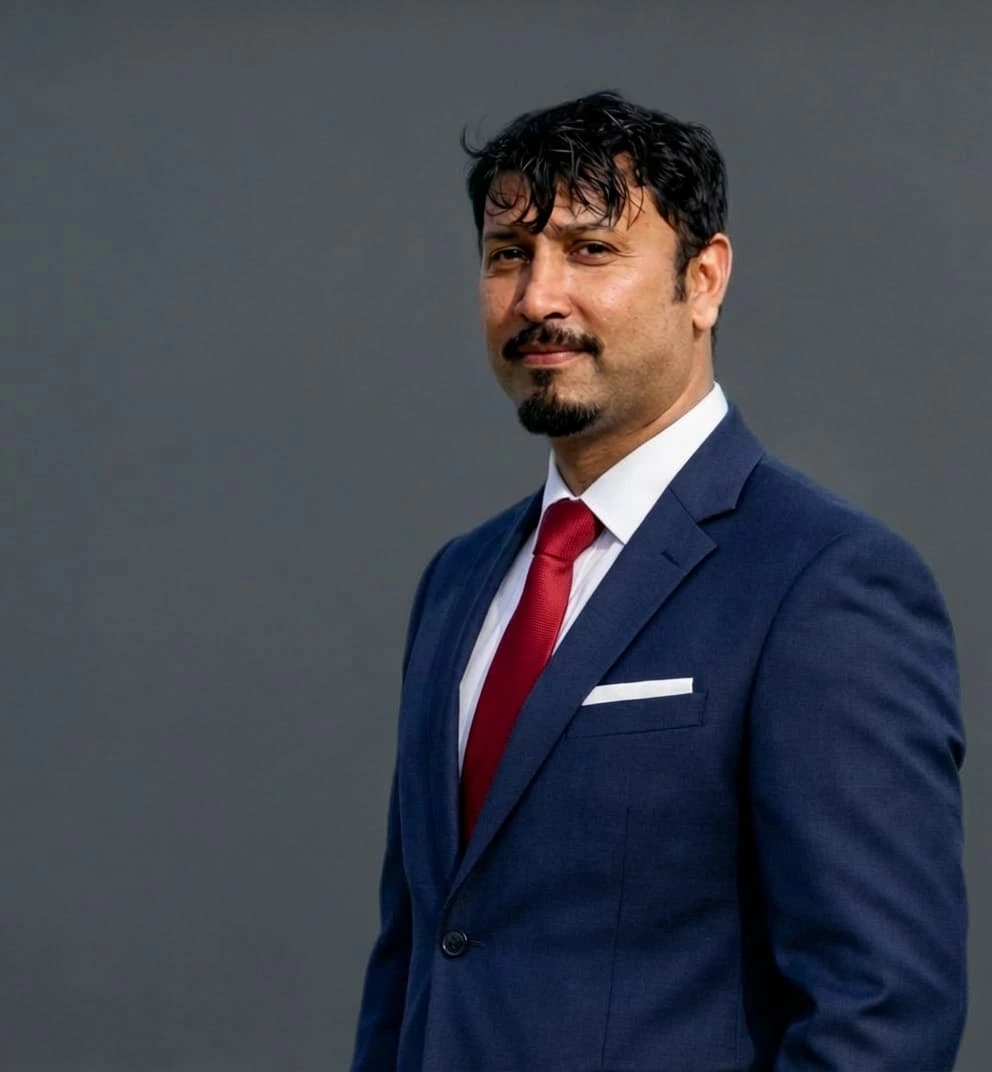
Abdel Rahman Hosein
Global CEO
Our Vision for Change
When we serve with mercy and compassion, we're all stronger for it. Our five-year Pathway to a World of Mercy strategy will help make that happen.
It's easy to put goals down on paper. The ones we've set in our five-year strategy are ambitious because they require a significant shift in our mindset, structure and operating model. But it will be worth it – especially for the millions of people who will be living in a more just world, in part because of our efforts.
This strategy reflects input from our teams across multiple countries and our partners on the ground. It is dynamic and will evolve as we explore opportunities and challenges over the next five years. Our plan is both daunting and exciting because it means we're staying relevant and recognizing the need to keep pace with global trends.
Increased Impact
We will continue to develop our expertise in mercy-driven programming and our rigorous approach to gathering and sharing impact evidence. Our heightened commitment to becoming a dual-mandate organization will be the most noticeable shift—meeting both humanitarian and long-term development needs.
Strengthened Legitimacy
A shift toward localization is a sectoral one that we have embraced, and it will significantly influence our operating model. Together, we will examine our power structures and make intentional shifts to operate differently, empowering local partners and communities.
Future Proofing
This focus area zeroes in on sustainable finances, embracing innovation, and taking a firm step into the social-justice space. Our expansion into the USA, UK, Malaysia, Turkey, and Australia reflects our bold belief that mercy knows no borders.
Enhance Our Thriving Organization
Our people are our greatest champions. Together, we will continue to develop an inclusive, collaborative and agile work culture that will help us achieve our goals.
We have a strategy. We're in the starting position; take a deep breath and let this meaningful marathon begin!
Abdel Rahman Hosein
Global Chief Executive Officer
Droplets of Mercy
Global Challenges We Face
A summary of global context and trends that shaped the strategic plan.
Conflict, Disaster and Displacement
Conflict, disaster, and displacement have become defining realities of our time, disrupting millions of lives and straining the capacity of humanitarian systems worldwide. Wars and political instability continue to uproot families, while climate-induced disasters and natural hazards are driving unprecedented levels of displacement and vulnerability.
Forces of Injustice & Inequality
Forces of injustice, inequality, and climate change are converging to create some of the greatest challenges of our era, deepening poverty and widening divisions within and between societies. Injustice robs people of their rights, inequality denies them opportunities, and climate change threatens their very survival.
Climate Change
Climate change disproportionately affects the most vulnerable communities. Confronting these forces requires more than incremental action; it demands courage, collaboration, and a steadfast commitment to justice. By working together across borders and sectors, we can build fairer systems and protect our planet.
Shifting Global Power
We are seeing a shift in global power: Overseas development assistance is decreasing, while supporters and local civil-society actors from the Global South are challenging traditional aid flows and power structures. This requires us to adapt our approaches and strengthen local partnerships.
This Is Our Roadmap
There are four strategic focus areas and five pathways. These goals guide our work over the next five years.
Focus 1
Increase Impact
Expand our reach and deepen our programmatic expertise to serve more communities effectively.
Focus 2
Strengthen Legitimacy
Build authentic partnerships and shift power to local communities and organizations.
Focus 3
Future-Proof
Ensure sustainable finances, embrace innovation, and adapt to changing global contexts.
Focus 4
Build Thriving Organization
Develop an inclusive, collaborative and agile work culture that supports our mission.
Our Five Pathways
Strategic areas where we will focus our programmatic work
Pathway 1
Respond and Bring Peace
Resilience in the face of conflict, disasters, and climate shocks depends on peacebuilding, locally led action, and responsive governance.
Pathway 2
Water and Sanitation
Access to clean water and adequate sanitation is essential for health, resilience, and thriving communities.
Pathway 3
Safety for Children
Ensuring children are safe, supported, and able to thrive is essential for healthy communities and future generations.
Pathway 4
Nourishing Futures
Access to nutritious, affordable, and sustainably produced food is fundamental to health, well-being, and community resilience.
Pathway 5
Healing Futures
Access to quality, affordable, and reliable health services is essential to human dignity, community stability, and long-term development.